← All exhibits

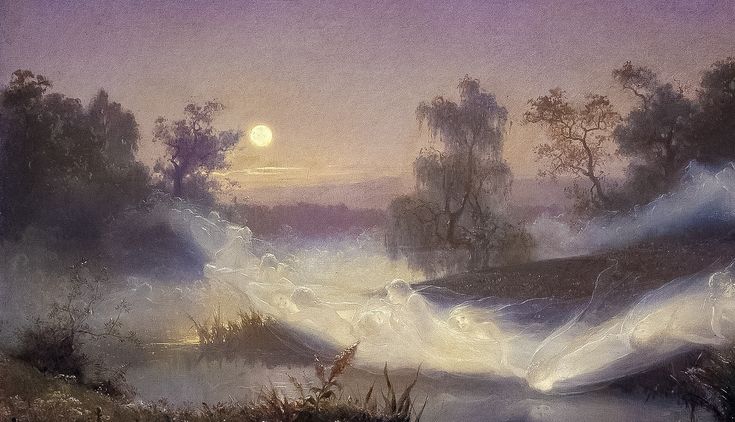
Dancing Fairies

August Malmström, 1866, oil on canvas

Over a nocturnal meadow landscape, ethereal figures dance in the mist. In the soft glow of the moon, the rising wisps of mist above a river seem to transform into floating, dancing beings. Completed in 1866, the painting by August Malmström combines the observation of nature with Nordic folklore. The mysterious lighting atmosphere and the delicate dissolution of the figures in the damp haze make the work an icon of 19th-century Swedish art.

The boundary between natural phenomenon and mythical fantasy remains deliberately fluid in the depiction. The ground fog over the floodplain takes on the contours of dancing female bodies moving in a ring and glowing silvery in the backlight. The motif draws on Scandinavian folklore surrounding nature spirits that awaken at dusk. Landscape and myth thus merge into a single entity in which nature can be experienced as an animated, enchanted space.
Background

  • August Malmström
    Artist

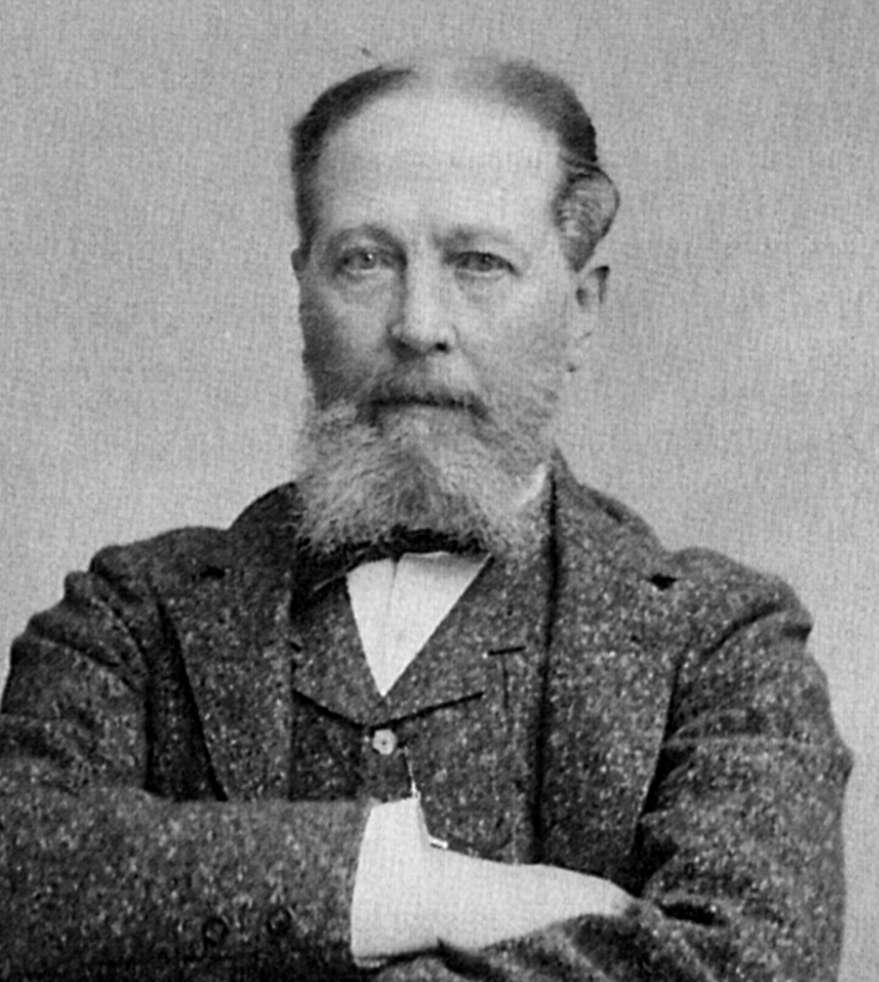
    August Malmström

    1829 – 1901
    3 topics · 1 work

    August Malmström was a 19th-century Swedish painter and illustrator. He became best known for his depictions of Norse mythology and folklore, as well as atmospheric nature motifs.

Topics

1 / 3
  • Topic

    Fairy Tales & Folk Stories

    Stories that no one invented and everyone knows: passed down orally, collected and written down in the 19th century. Their imagery—the forest, the wolf, the hundred-year sleep—stands for what children and adults alike fear and hope for.

  • 1exhibit
    Topic

    Sagas & Legends

    Unlike the fairy tale, the saga is tied to a specific place: it is set at a particular mountain, castle, or city—and was believed to be true. Its narrative connects landscape with history, often explaining why a place is called what it is called.

  • 1exhibit
    Topic

    Late Romanticism

    Around the middle of the 19th century, Romanticism draws to a close—its motifs remain, but the tone becomes quieter and more narrative. Late Romanticism combines close observation of nature with inwardness and a love of popular storytelling. Ludwig Richter is considered one of its most important representatives.