← All exhibits

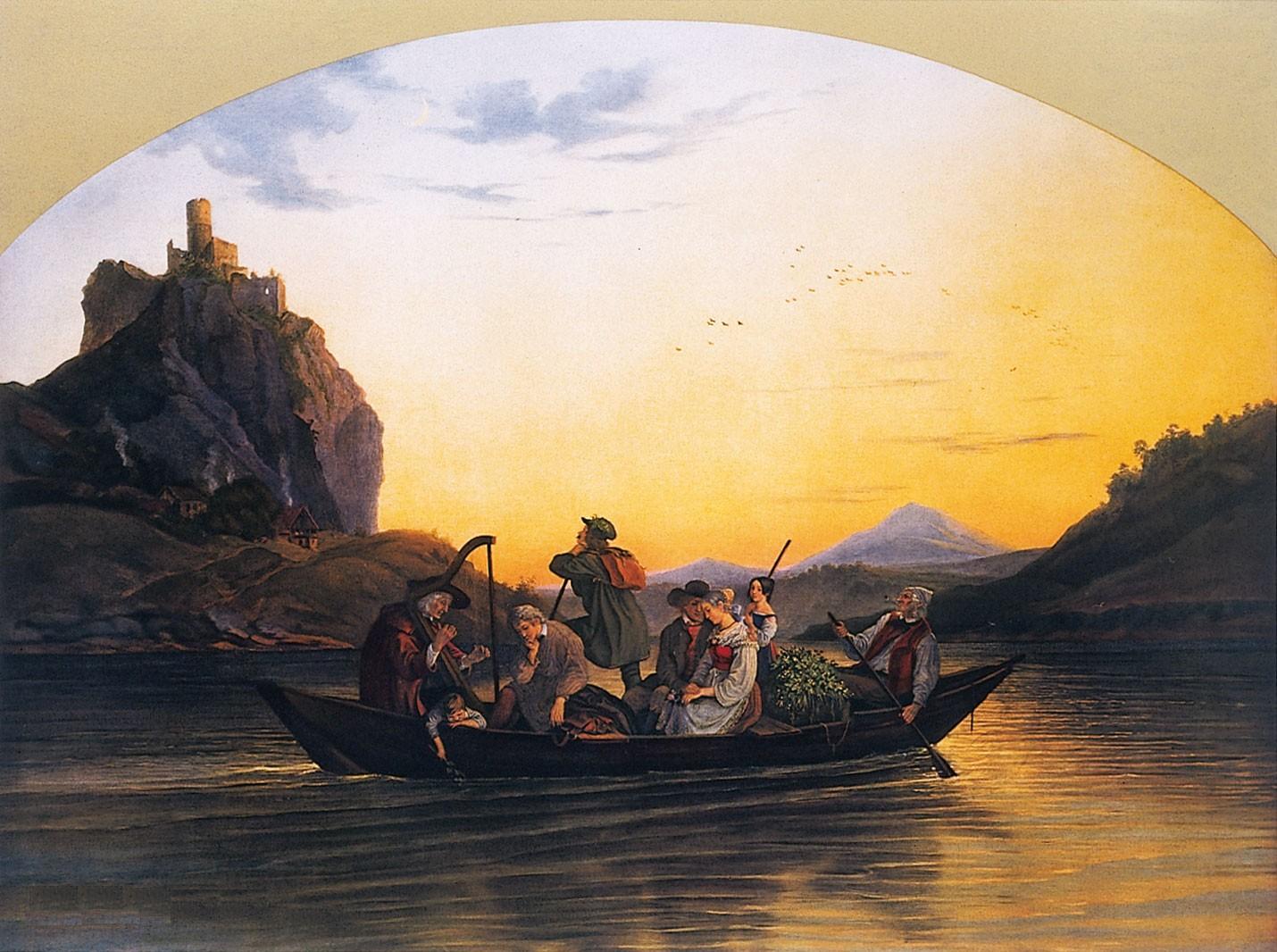
Crossing at Schreckenstein

1837, Dresden

This 1837 painting shows a ferry crossing the Elbe near Schreckenstein Castle. On board gathers a cross-section of travelers: an elderly couple, young lovers, a wandering craftsman’s apprentice, and a dreaming child. For Richter, the crossing was a symbol of human life itself — not moving in a straight line toward a goal, but drifting like a river. The painting is considered one of the most significant works of German late Romanticism.
Background

1 / 2
  • Ludwig Richter
    Artist

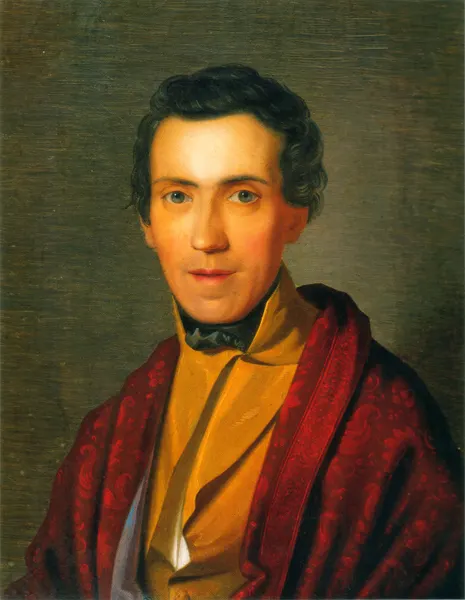
    Ludwig Richter

    1803 – 1884
    4 topics · 2 works

    Adrian Ludwig Richter was born in Dresden in 1803 and is one of the best-known painters and illustrators of German Romanticism and Biedermeier.

Topics

1 / 2
  • Topic

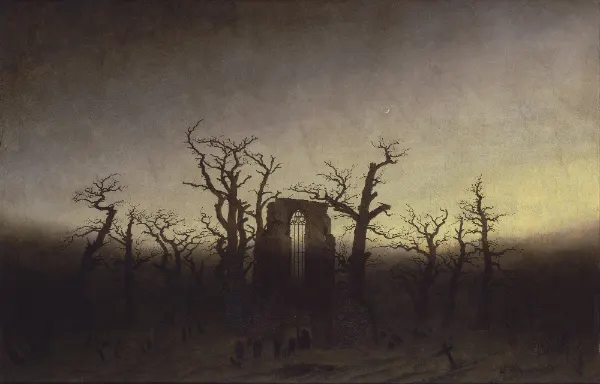
    Romanticism

    Around 1800, painting and literature turned away from reason and toward feeling. Landscapes became reflections of the inner self: fog, ruins, and mountain ranges represent longing, transience, and the inkling of something greater. The human figure appears small within them, often seen from behind—looking out just as the viewers themselves do.

  • Topic

    Landscape painting

    For a long time, the landscape served merely as a backdrop for figures and stories. In the 19th century, it became the primary subject—painted not only as it looks, but as it feels: the light at a certain time of day, the stillness of a valley, the weather over a mountain ridge.