Wolfpack Tactics
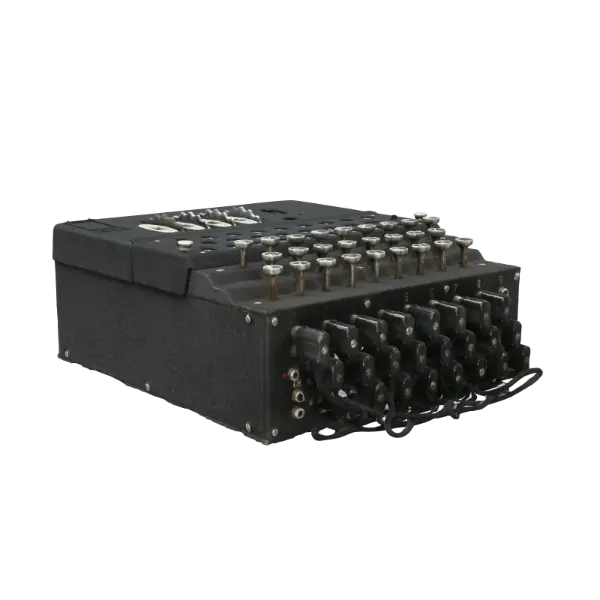
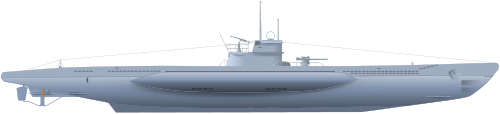
In the middle of the Atlantic, individual German U-boats lurk in secret for days until one of them encounters an enemy convoy. Instead of attacking immediately, the crew keeps its distance and transmits radio messages across the sea. Only when more boats arrive do they strike together at night—directed by radio signals that cipher machines like the Enigma M4 encrypted.
Karl Dönitz developed the concept before World War II to sever British supply lines at sea. Individual U-boats achieved little against well-defended merchant fleets, as escort ships quickly drove them off. The pack tactics changed the approach: One boat located the convoy, maintained contact, and radioed the course to the command on land. From there, additional U-boats were guided in. Only when enough units had encircled the convoy did they advance on the surface in the dark, overwhelming the convoy escorts through simultaneous torpedo attacks from different directions.
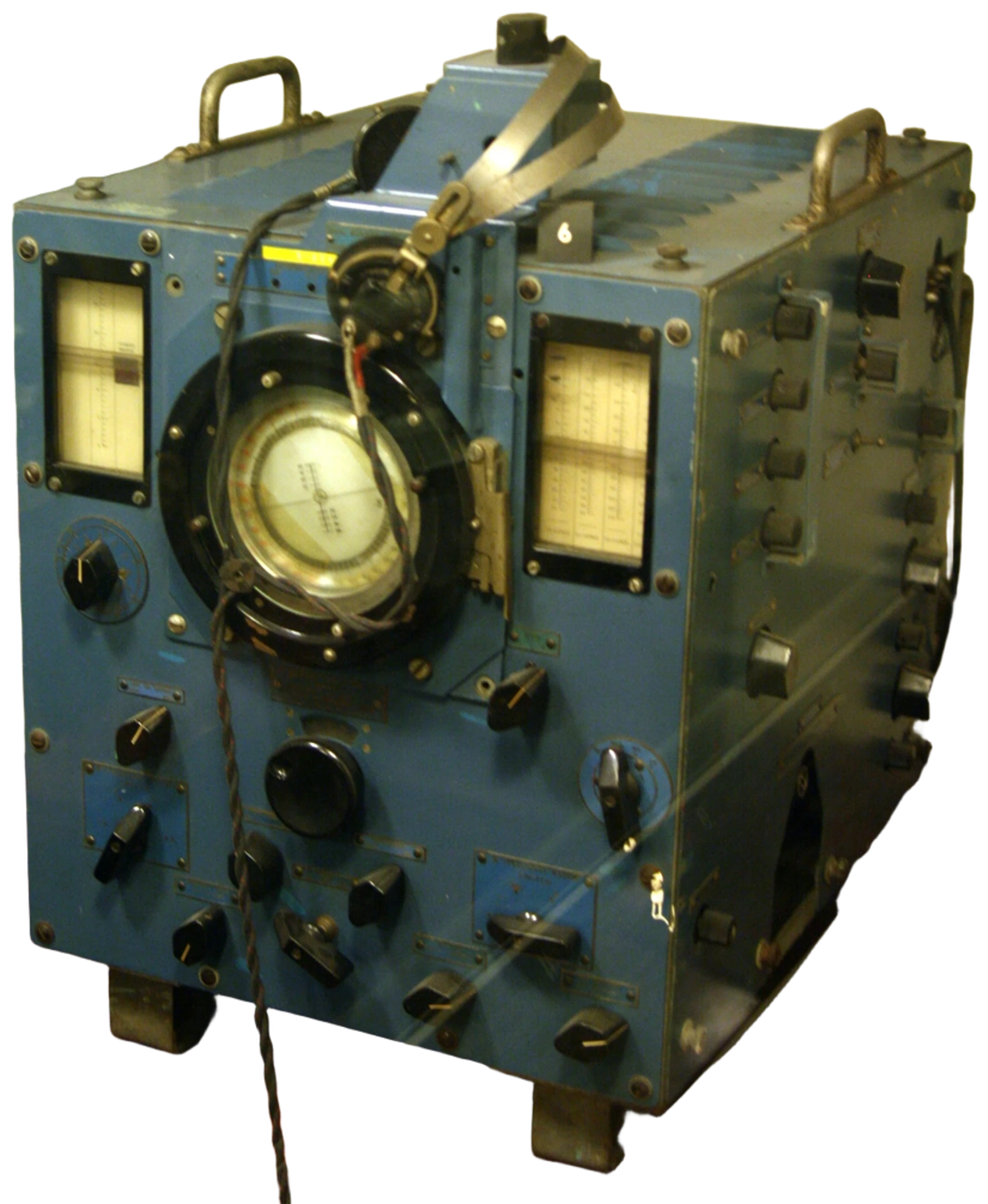
The success of this tactic stood and fell with the wireless connection between the boats and the commander. Countless radio messages were transmitted via shortwave, encrypted with the Enigma. To prevent Allied monitoring services from listening in, the Kriegsmarine introduced the four-rotor Enigma M4 in early 1942. For nearly ten months, the messages remained unreadable to the British cryptanalysts at Bletchley Park. But the constant radio traffic harbored dangers: Allied high-frequency direction-finding stations located the U-boats’ transmitters with high accuracy, while new radar devices detected the boats even at night.
In the spring of 1943, the tide turned in the North Atlantic. Cryptanalysts at Bletchley Park once again succeeded in regularly breaking the Enigma M4 radio messages. From then on, the British Admiralty deliberately routed convoys around reported pack positions. At the same time, long-range aircraft closed the supply gap on the open sea and bombed surfacing boats from the air. Following devastating losses, the German naval command withdrew the formations from the main routes in May 1943. The tactic of coordinated surface attacks had lost its effectiveness.
Related in the museum
Provenance and rights
Goran tek-en, Wikimedia Commons · CC BY-SA
Race in the Ether
Allied High-Frequency Direction-Finding Stations (Huff-Duff)
Rémi Kaupp, CC BY-SA 3.0, Wikimedia Commons · CC BY-SA