← All exhibits

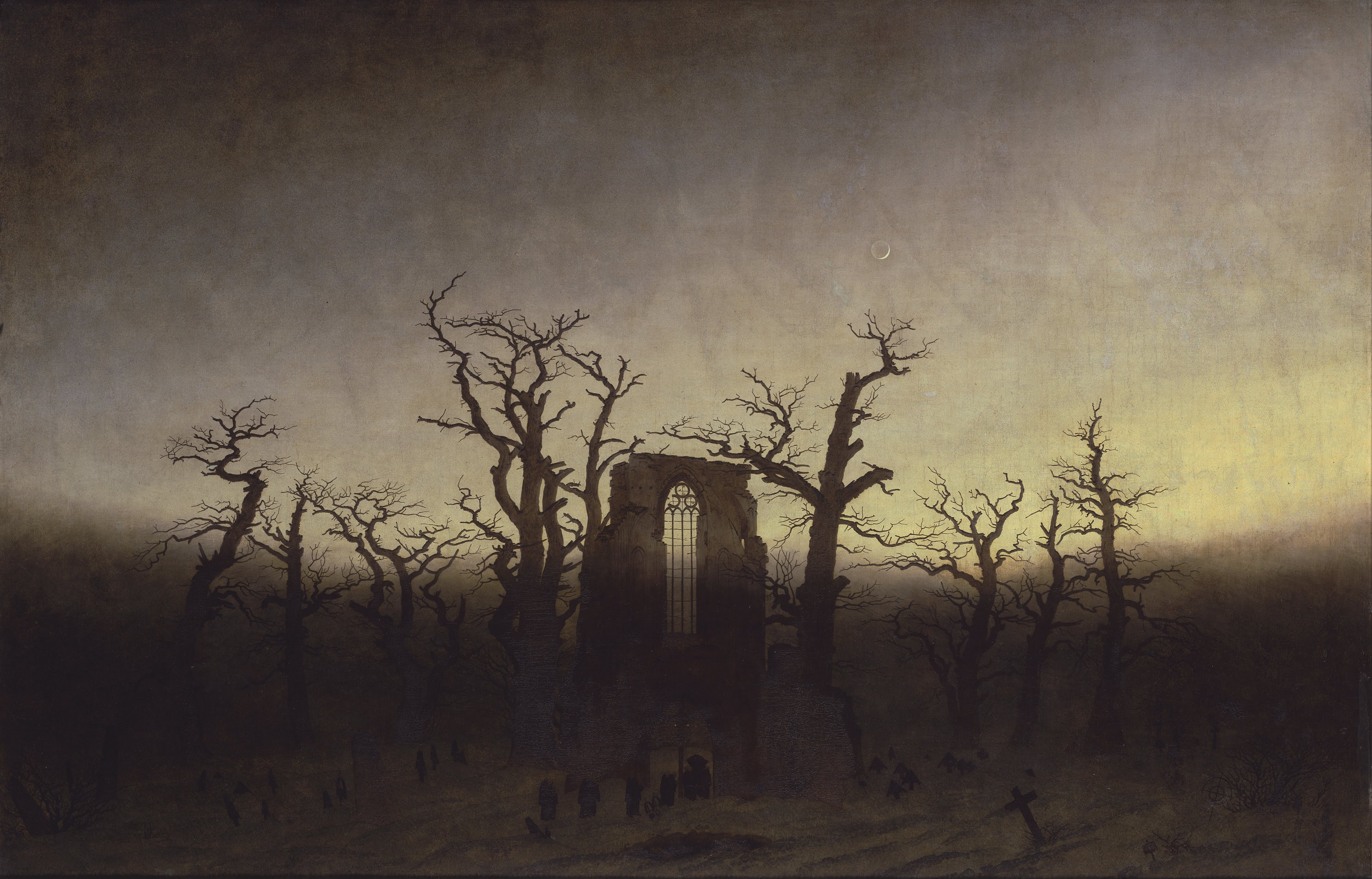
The Abbey in the Oakwood

Caspar David Friedrich, 1809–1810, oil on canvas

At the center of the composition rises the Gothic tracery window of a ruined abbey, surrounded by gnarled, leafless oak trees. A small funeral procession of monks carries a coffin across a snow-covered graveyard toward the entrance portal. The foggy foreground lies in gloomy shadow, while the sky in the background brightens into a pale twilight with a delicate crescent moon.

The painting was created as a pendant to the work “The Monk by the Sea” and is considered a key work of Romanticism. Caspar David Friedrich combines symbols of nature and architecture into a meditation on transience, death, and resurrection. While the ruin and the dead trees symbolize the passing of human and earthly existence, the bright sky above the sea of fog points to the Christian hope for salvation and eternal life after death.

Background

  • Caspar David Friedrich
    Artist

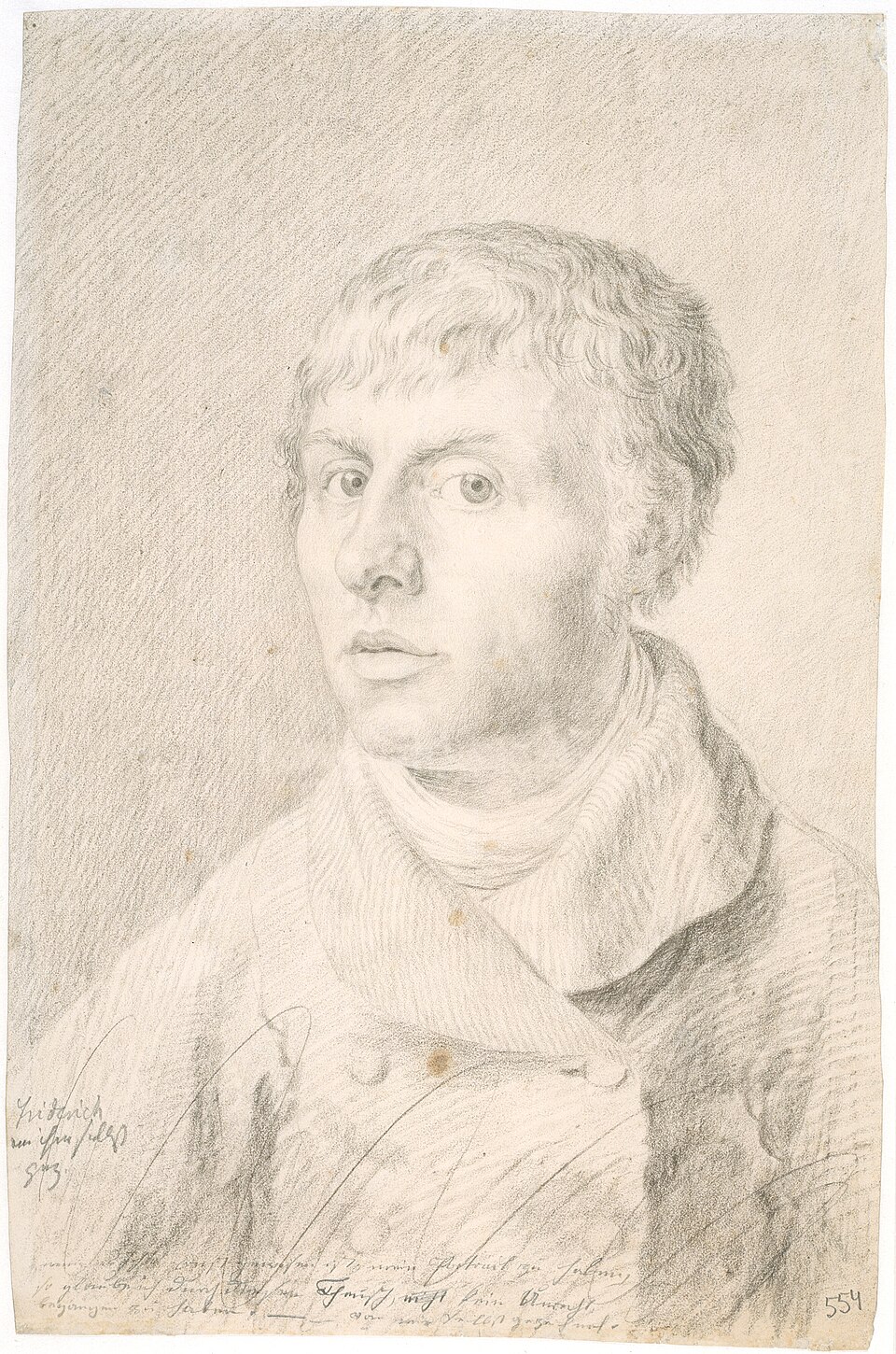
    Caspar David Friedrich

    1774 – 1840
    2 topics · 1 work

    Caspar David Friedrich was the most important painter of German Romanticism. With his melancholic and symbolic depictions of landscapes, he created an entirely new visual language that combined the experience of nature with a spiritual search for meaning.

Topics

1 / 2
  • Topic

    Romanticism

    Around 1800, painting and literature turned away from reason and toward feeling. Landscapes became reflections of the inner self: fog, ruins, and mountain ranges represent longing, transience, and the inkling of something greater. The human figure appears small within them, often seen from behind—looking out just as the viewers themselves do.

  • Topic

    Landscape painting

    For a long time, the landscape served merely as a backdrop for figures and stories. In the 19th century, it became the primary subject—painted not only as it looks, but as it feels: the light at a certain time of day, the stillness of a valley, the weather over a mountain ridge.